
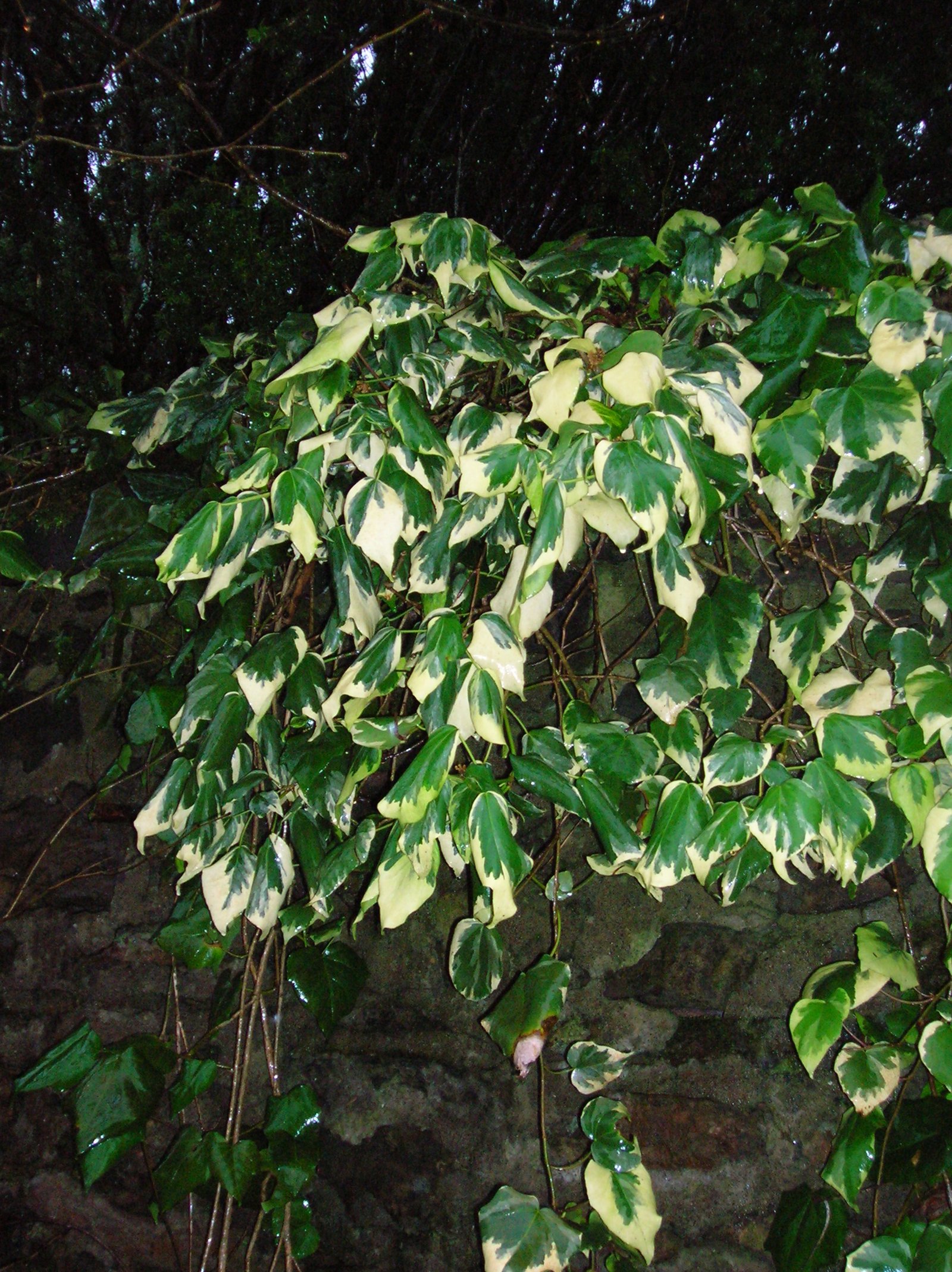
Persian Ivy
Hedera spp.
Ivy
Light Details
Keep in a bright room with lots of ambient light. Best placement is near an east window or a few feet back from a south/west window behind a sheer curtain. Rotate every 1 to 2 weeks for even growth and avoid harsh midday sun unless the plant is known to take more light.
Watering Details
Water when the top inch dries, keeping the mix lightly and evenly moist. Check the potting mix before watering. In most homes this means watering when the top 1 to 2 inches feel dry, then watering thoroughly until excess drains out. Empty cachepots and saucers so roots are not left sitting in water.
Humidity Details
Average household humidity is usually fine, but the plant will appreciate steadier moisture in the air. Keep it away from strong HVAC drafts and use a humidifier if the room stays very dry.
Soil Details
Use a high-quality indoor potting mix with added perlite or bark if you want a bit more airflow. The mix should hold some moisture but still drain freely.
Temperature
Prefers cooler, bright indoor conditions—often 55 to 75°F is ideal.
Feeding Details
Feed lightly during active growth and give vines support or trailing room.
Grooming / Training
Trim often to keep it dense and prevent bare stems. Good airflow helps reduce pest pressure.
Repotting
Repot when rootbound or when the mix becomes dense.
Common Issues
Spider mites are common indoors, especially in dry warm rooms. Crispy foliage often means dry air or missed watering.
Seasonal Notes
Cool, bright winter conditions often suit ivy better than hot rooms.
What Not To Do
Do not keep it right over a heater.
Safety Details
Toxic to Pets/Humans. Keep out of reach of pets. Avoid ingestion and wash hands after handling if sap or tissue is irritating.
Image/source: Photo by Emőke Dénes via Wikimedia Commons; CC BY-SA 4.0.