
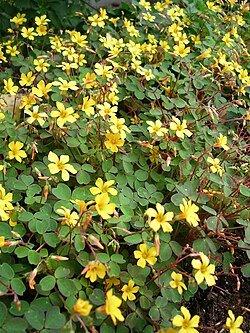
Spiral
Oxalis triangularis
Oxalis
Light Details
Oxalis prefers bright indirect light and can tolerate gentle morning or late afternoon direct sun. Purple varieties such as Oxalis triangularis develop stronger color and fuller growth with brighter conditions. Too little light can cause stretched stems and reduced leaf movement.
Watering Details
Water when the top 1 to 2 inches of soil feel dry. Oxalis prefers lightly moist soil but should never remain soggy. Water thoroughly until excess drains out, then allow partial drying before watering again. Reduce watering during dormancy periods.
Humidity Details
Average household humidity is generally fine. Oxalis does not require elevated humidity and adapts well to most indoor environments. Avoid placing directly beside heating vents or strong HVAC airflow.
Soil Details
Use a loose, well-draining potting mix. Standard indoor potting soil amended with perlite works well. The bulbs/rhizomes dislike dense, compacted, constantly wet soil.
Temperature
Keep between 60–80°F. Protect from frost and avoid prolonged exposure below 50°F.
Feeding Details
Feed monthly during active growth with a balanced diluted fertilizer. Pause or reduce feeding if the plant enters dormancy or naturally dies back.
Grooming / Training
Remove faded leaves and flowers regularly to encourage fresh growth. Oxalis naturally mounds and spreads without needing support or staking.
Repotting
Repot every 1–2 years or when bulbs become crowded. Fresh soil in spring helps encourage strong regrowth.
Common Issues
Yellowing leaves usually indicate overwatering. Leggy stems often mean insufficient light. If the plant suddenly dies back, it may simply be entering dormancy rather than failing.
Seasonal Notes
Many Oxalis varieties periodically enter dormancy, especially under stress or seasonal light changes. During dormancy, reduce watering and allow the plant to rest until new growth resumes.
What Not To Do
Do not keep the soil constantly wet. Avoid placing in deep shade for long periods. Do not throw the plant away immediately if foliage dies back — dormant bulbs often regrow.
Safety Details
Contains oxalic acid compounds and may cause irritation or stomach upset if heavily ingested by pets or humans. Best kept out of reach of curious pets.
Image/source: Rhizo Remedy uploaded plant images.