
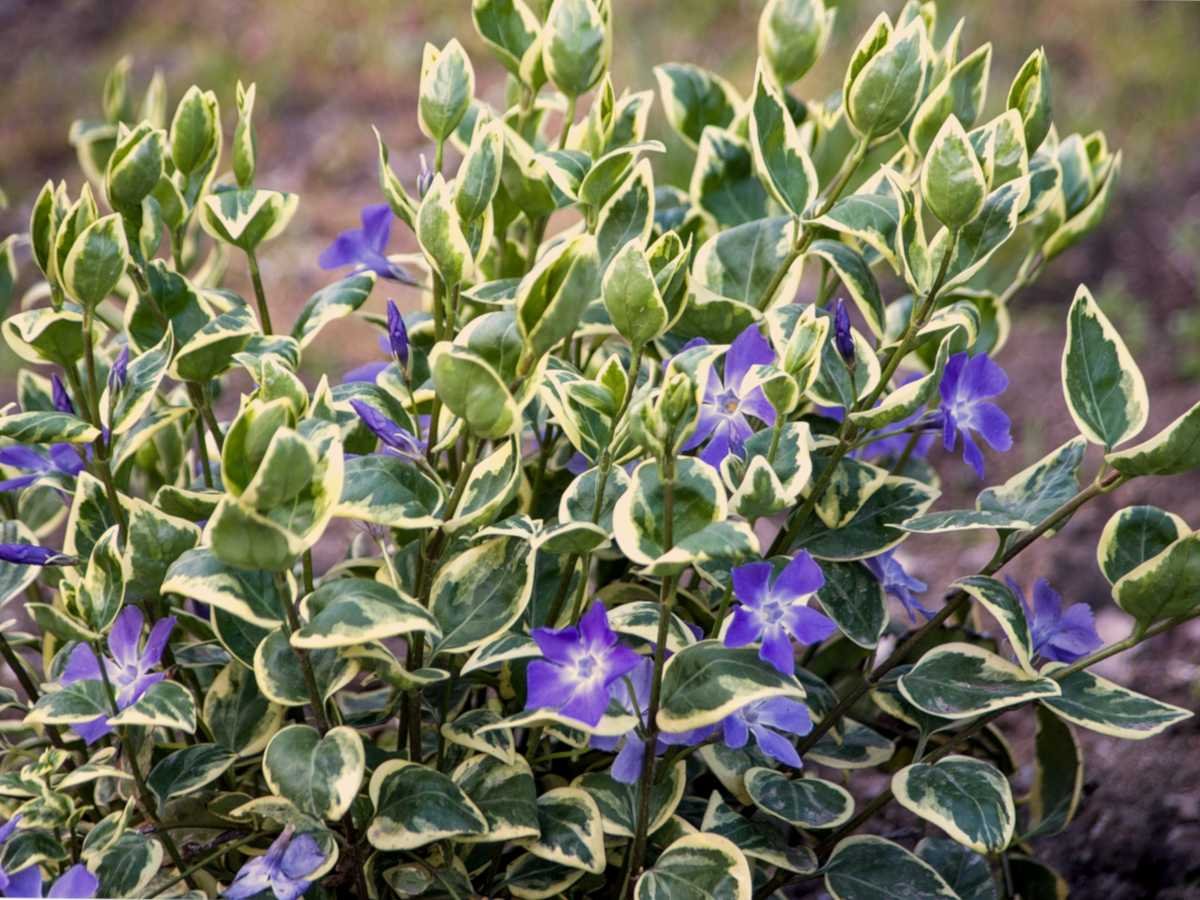
Variegata
Vinca Major
Periwinkle
Light Details
Periwinkle grows best in part sun to partial shade. It can tolerate full sun in cooler climates but prefers protection from intense afternoon sun. In shadier spots it will still grow, though more slowly and with fewer flowers.
Watering Details
Water when the top 1 to 2 inches of soil feel dry. Once established, periwinkle is somewhat drought-tolerant, but it performs best with consistent moisture. Avoid soggy soil, as excess water can lead to root rot.
Humidity Details
Periwinkle is not picky about humidity and performs well in average household or outdoor conditions. It does not require elevated humidity to thrive.
Soil Details
Use a well-draining soil mix. Periwinkle tolerates a wide range of soil types but grows best in loose, moderately rich soil that drains efficiently.
Temperature
Performs best between 55–85°F. It tolerates cooler temperatures better than most houseplants and can handle mild frost, but prolonged freezing conditions may damage or kill the plant.
Feeding Details
Feed monthly during the growing season with a balanced fertilizer. In outdoor plantings, feeding may not be necessary if soil is already nutrient-rich.
Grooming / Training
Trim regularly to control spread and encourage fuller growth. Periwinkle can become aggressive and spread quickly if left unmanaged, especially in outdoor settings.
Repotting
Repot container-grown plants every 1–2 years or when roots become crowded. Outdoor plantings typically do not require repotting.
Common Issues
Yellowing leaves usually indicate overwatering. Sparse or leggy growth can be caused by too much shade. Watch for fungal issues in consistently damp conditions.
Seasonal Notes
Growth slows in cooler months. In warmer climates, periwinkle may remain evergreen year-round. In colder regions, it may die back and return in spring.
What Not To Do
Do not allow soil to remain constantly wet. Avoid planting in areas where spreading is unwanted. Do not neglect pruning if you want to maintain a clean, controlled look.
Safety Details
All parts of the plant are toxic if ingested. Contains compounds that can be harmful to pets and humans. Keep out of reach and wash hands after handling.
Image/source: Rhizo Remedy uploaded plant images.