
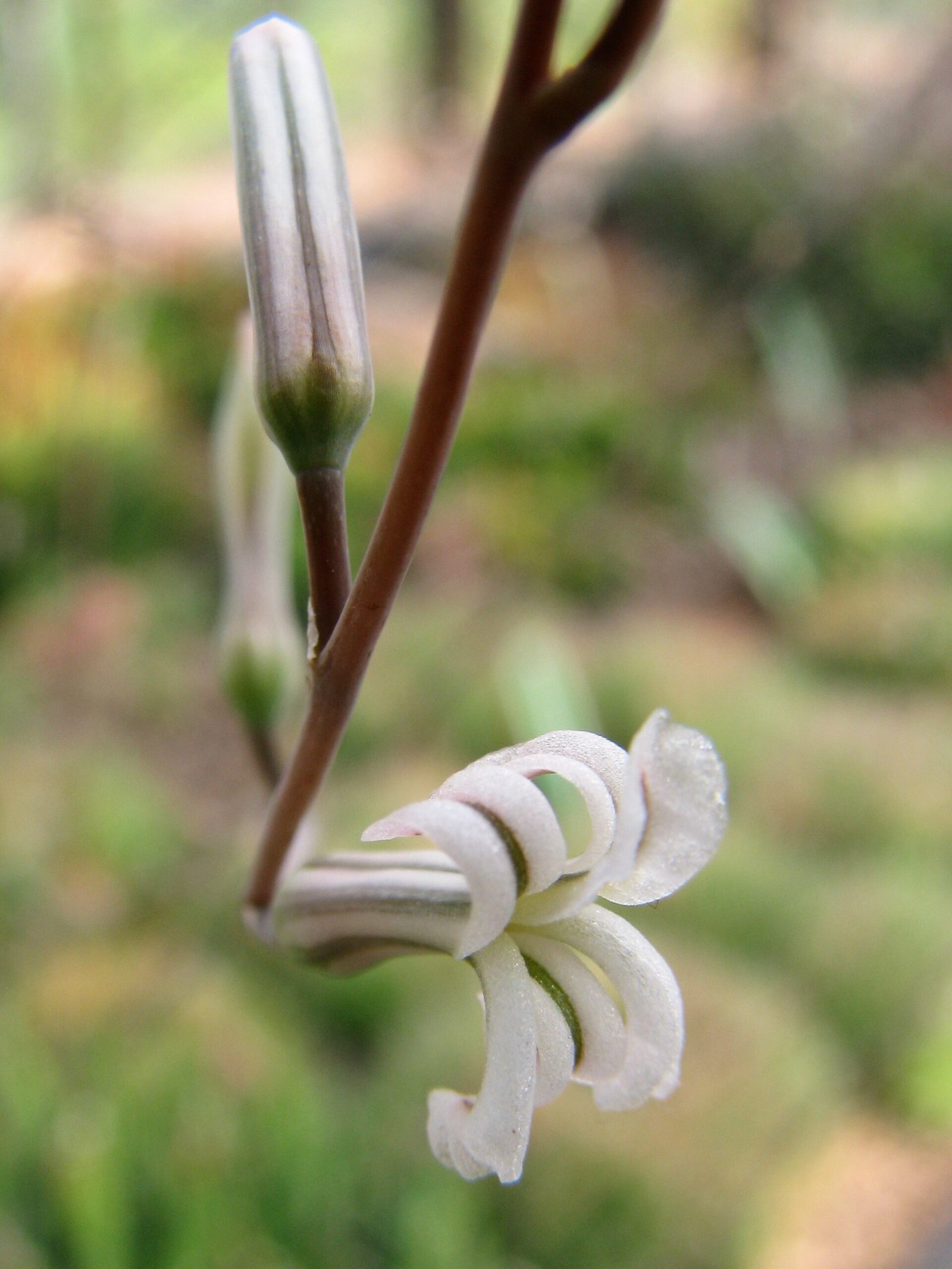
Zebra Haworthia
Succulent spp.
Succulent
Light Details
Give the brightest spot you have. A south or west window with several hours of direct sun is ideal. If moving from lower light, acclimate over 7 to 10 days so foliage does not scorch.
Watering Details
Water deeply, then let the mix dry almost completely. Frequency drops a lot in winter or in lower light. Water deeply, then allow the mix to dry almost completely or completely before watering again. Dry periods are part of the care routine, so do not top off small amounts of water while the root ball is still damp.
Humidity Details
Normal indoor humidity is fine. Good airflow matters more than extra humidity, and overly damp stagnant air can create problems.
Soil Details
Use a fast-draining mix with lots of mineral grit or perlite. Terracotta pots and drainage holes are helpful because they let the root zone dry quickly.
Temperature
Best around 60 to 85°F; protect from frost and prolonged cold wet conditions.
Feeding Details
Feed sparingly in warm months and favor brighter light over more frequent watering.
Grooming / Training
Remove dead lower leaves to prevent pests. Pinch or prune leggy growth and reroot cuttings if needed.
Repotting
Repot every 1 to 2 years into a gritty mix and a pot with drainage.
Common Issues
Mushy stems mean overwatering; stretched, floppy growth means too little light.
Seasonal Notes
Most indoor succulents need much less water in winter.
What Not To Do
Do not mist or keep the crown wet.
Safety Details
Check Variety. Keep out of reach of pets.
Image/source: Rhizo Remedy uploaded plant images.